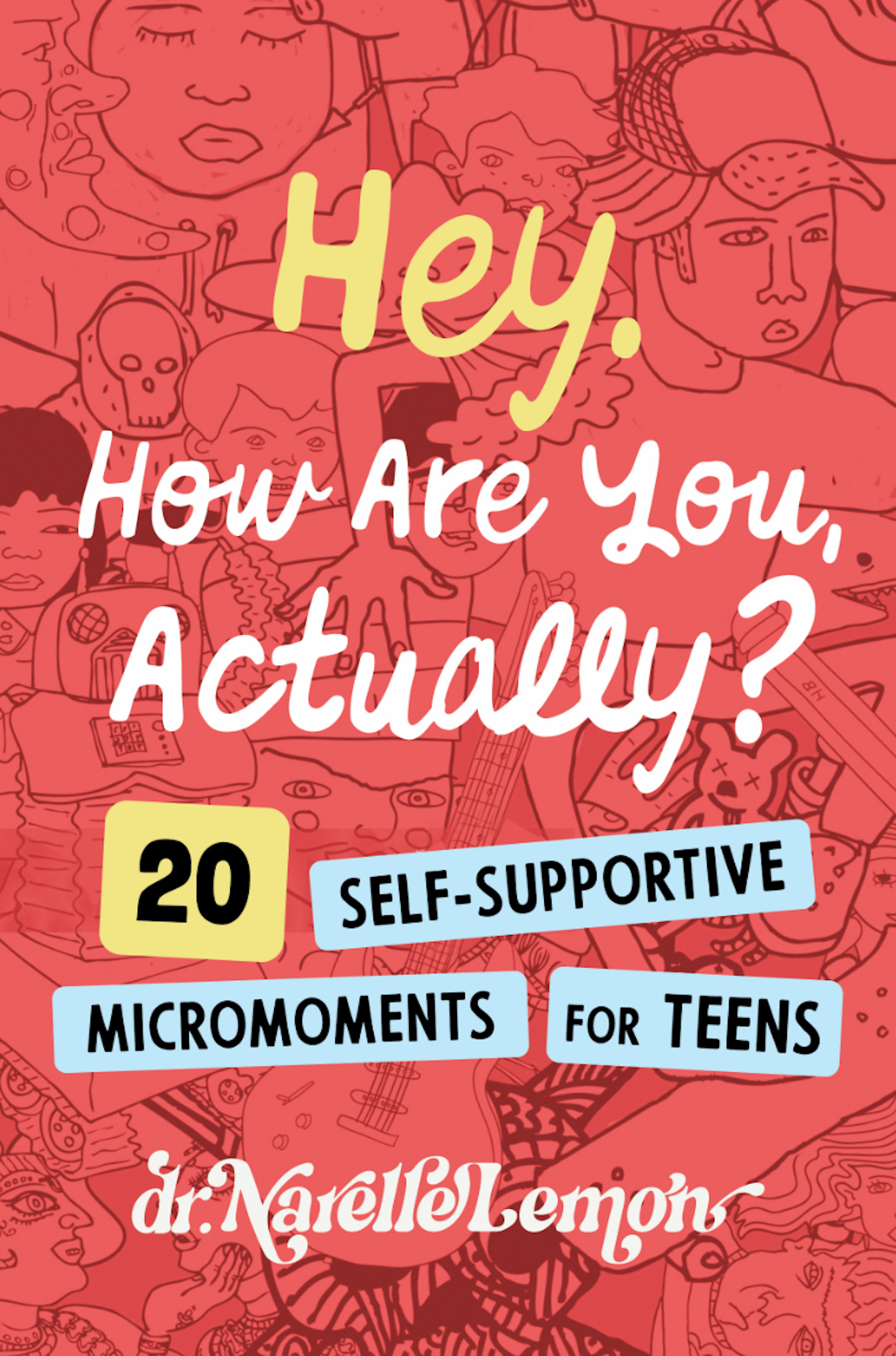
Hey. How Are You, Actually?
20 Self-Supportive Micromoments
Some days you really are fine.
And some days you say you're fine because it's easier than explaining what's actually going on.
This book is for those other days.
You already know how to be a good friend. When someone you care about is having a hard time, you know how to listen, how to be kind, how not to make things worse. Hey. How Are You, Actually? is about turning that same kindness toward yourself – because you deserve it just as much as they do.
Inside are twenty small things you can do, most of them only a few minutes long, for the moments that really happen. When your brain won't switch off at night. When you're waiting outside the exam room feeling sick. When a friendship fades and nobody says why. When everyone else seems fine and you're not so sure you are.
Nothing you have to believe in. Nothing you have to be good at. Just small, real things that help.
One gentle question runs through all of it: what would you say to yourself if you talked to yourself the way you talk to your best friend?
Whatever you're carrying right now, you don't have to carry it alone. You can just start here.
________________________________________
For the grown-up holding this book
Written straight to teenagers, grounded in real research, and small enough to use on an ordinary day. No pressure. You might find a few of the practices are exactly what you needed too.
ISBN: 9781923569706
Size: 234 x 156 mm
Black & white, 162 pages

A M I C R O M O M E N T F R O M Hey. How Are You, Actually?
Staying True to You
A three-minute practice — one minute per step.
You can do this in a bathroom stall, in a car, walking between classes, or sitting on your bed before you open your phone. You don’t need anything except the willingness to be honest with yourself for sixty seconds at a time.
You’ll recognise the shape of it: a kind check-in (attitude), an honest look (attention), and one small step (intention).
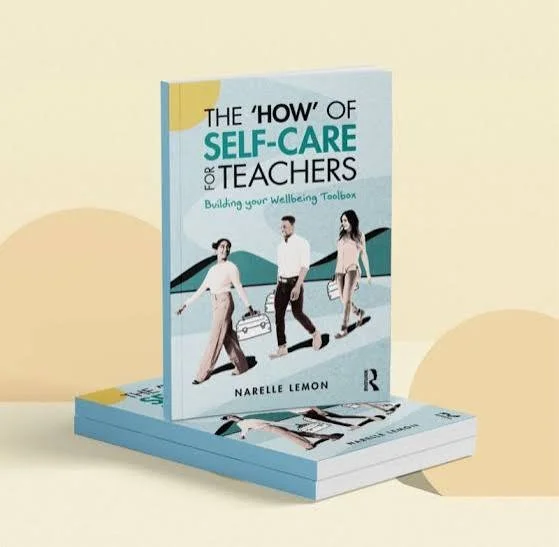
Providing insights, ideas, strategies and compassion, this book offers a new way of looking at self-care for educators experiencing exhaustion and stress, or who may simply be feeling more tired than they should be.
Drawing on personal experiences of burnout, as well as research in wellbeing literacy, self-care and positive psychology, Narelle Lemon presents a new framework for self-care. Designed especially for teachers of any discipline or sector, the framework is based on five key dimensions:
self-compassion,
mindful awareness,
habits,
time, and
empowerment.
Evidence-based and easy to follow, these dimensions scaffold the tools and strategies offered in the book, allowing the reader to create their own toolbox based on what resonates with them most. The book is designed to be flexible, so the reader is encouraged to follow the recommendations as closely as they wish, or to take inspiration for their own ideas, acknowledging that tools will change over time and across contexts. The practical tools in this book are further supported by reflective prompts, as well as opportunities for extension with tips for leaders, working groups and the education sector more broadly.
Written by a teacher for teachers, this book gives you not only the tools but also the permission to look after yourself. It will show you that self-care is an act of self-love, self-compassion, and self-awareness, and that it is relational and you need to care for you in order to care for others.
ISBN 9781032727493
394 Pages 31 B/W Illustrations
Published August 20, 2024 by Routledge
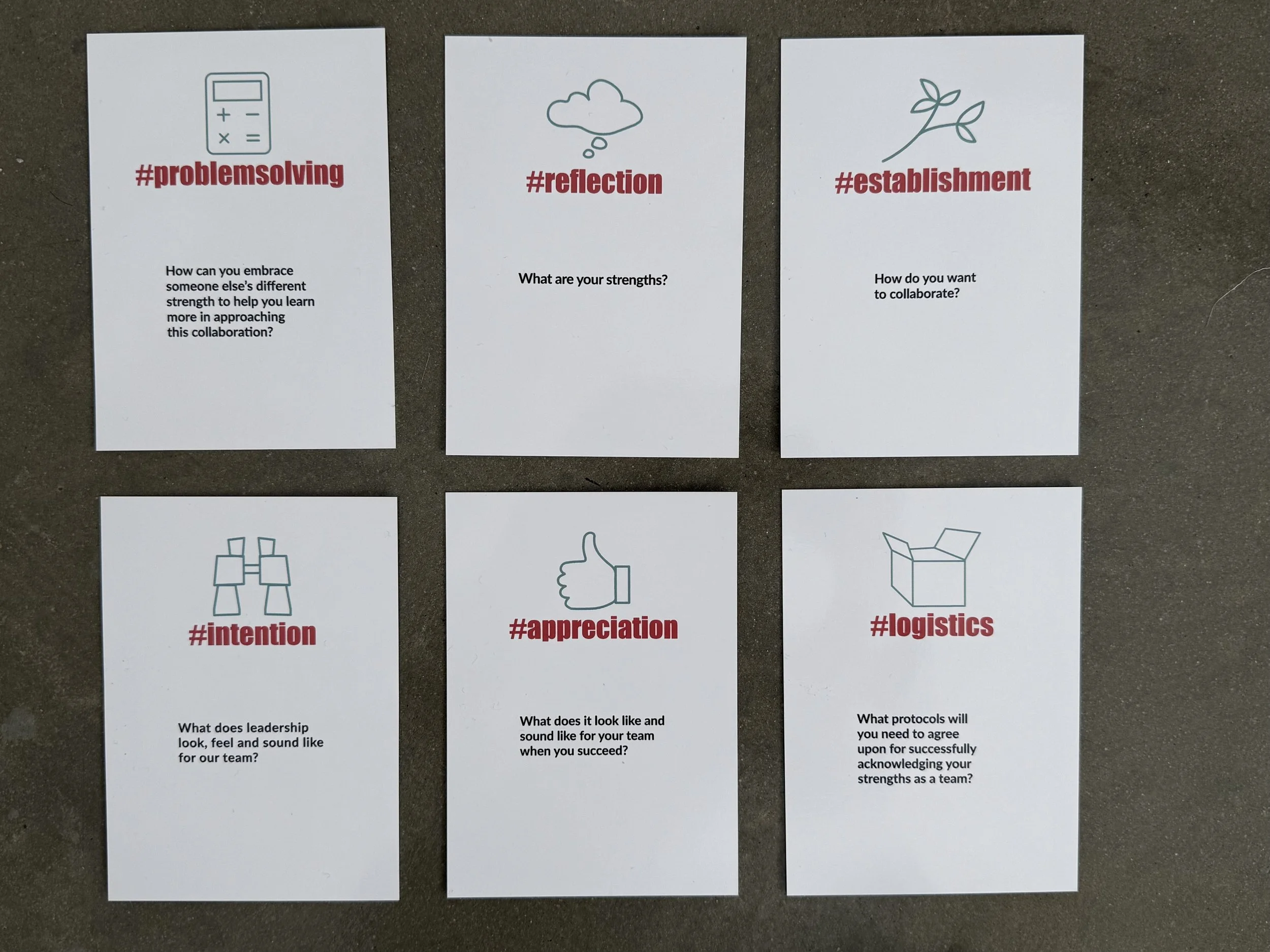
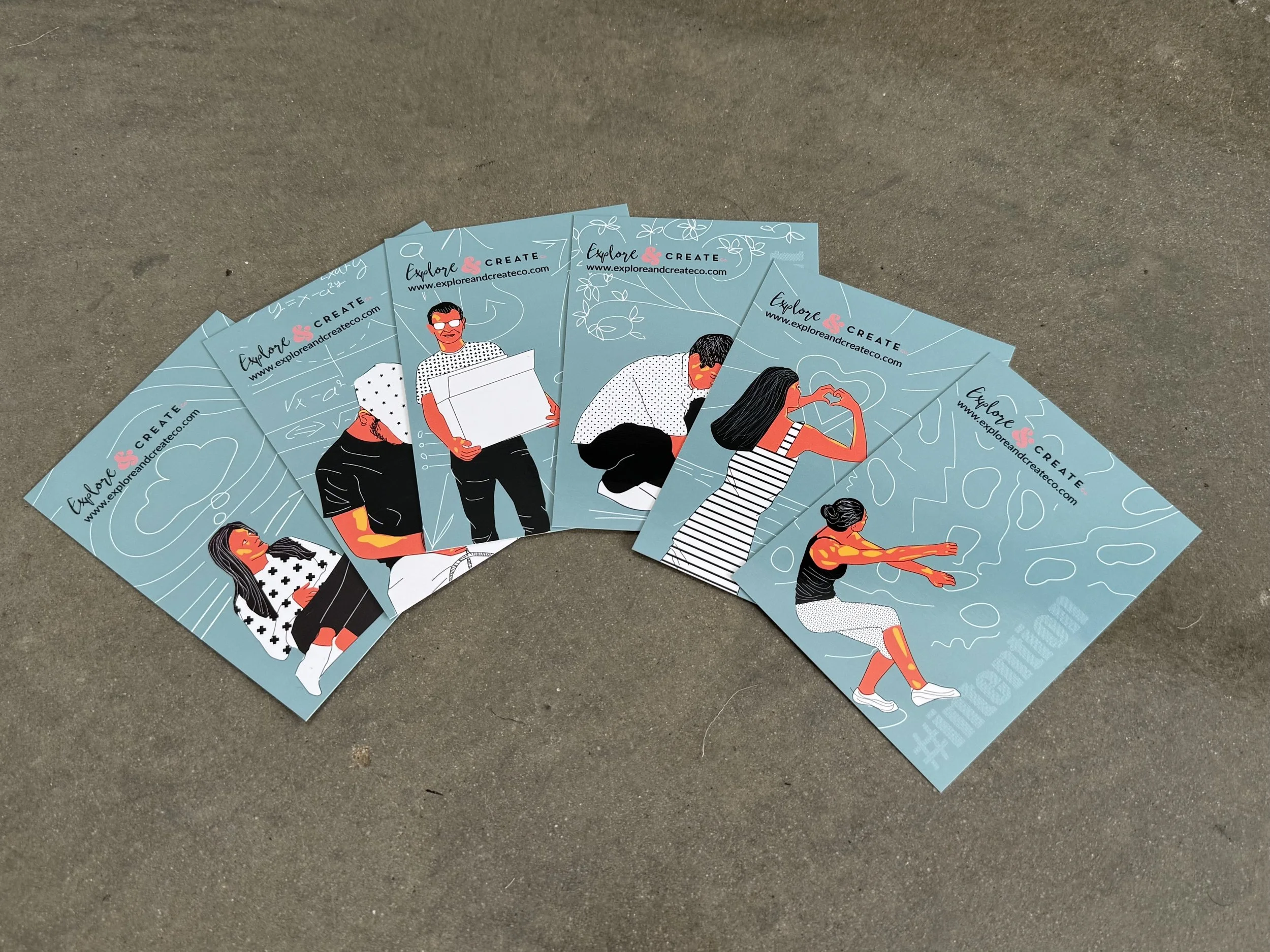
We all have to work with others – in the workplace, at home, within friendship and family structures, at school and within communities to problem solve, create new solutions or to support one another. In consideration of collaborations, a strengths-based approach allows us to flourish.
Working with our strengths, places a positive energy around what it is we are doing and who we are working with. Put simply, strengths are something you are good at and enjoy doing. Strengths are characteristics a person has that allows them to perform at their very best. Strengths are patterns of thinking, feeling and behaving that, when exercised, will excite, engage and energize you. They allow you to perform at an optimal level and help you grow as an individual.
Pairing strengths with mindfulness allows us to bring our intention, attention and attitude to collaborations. When we are mindful, we are present and aware non-judgementally. Mindfulness offers the how for the practice of strengths – that is, to be intentional.
When working with other people we need to be aware of our self (what we bring, what we need, how we react, etc) and then of others (what they bring, how we connect, how we communicate, how we complement each other, what we can learn from each other, what triggers may be there that are unhelpful, etc).
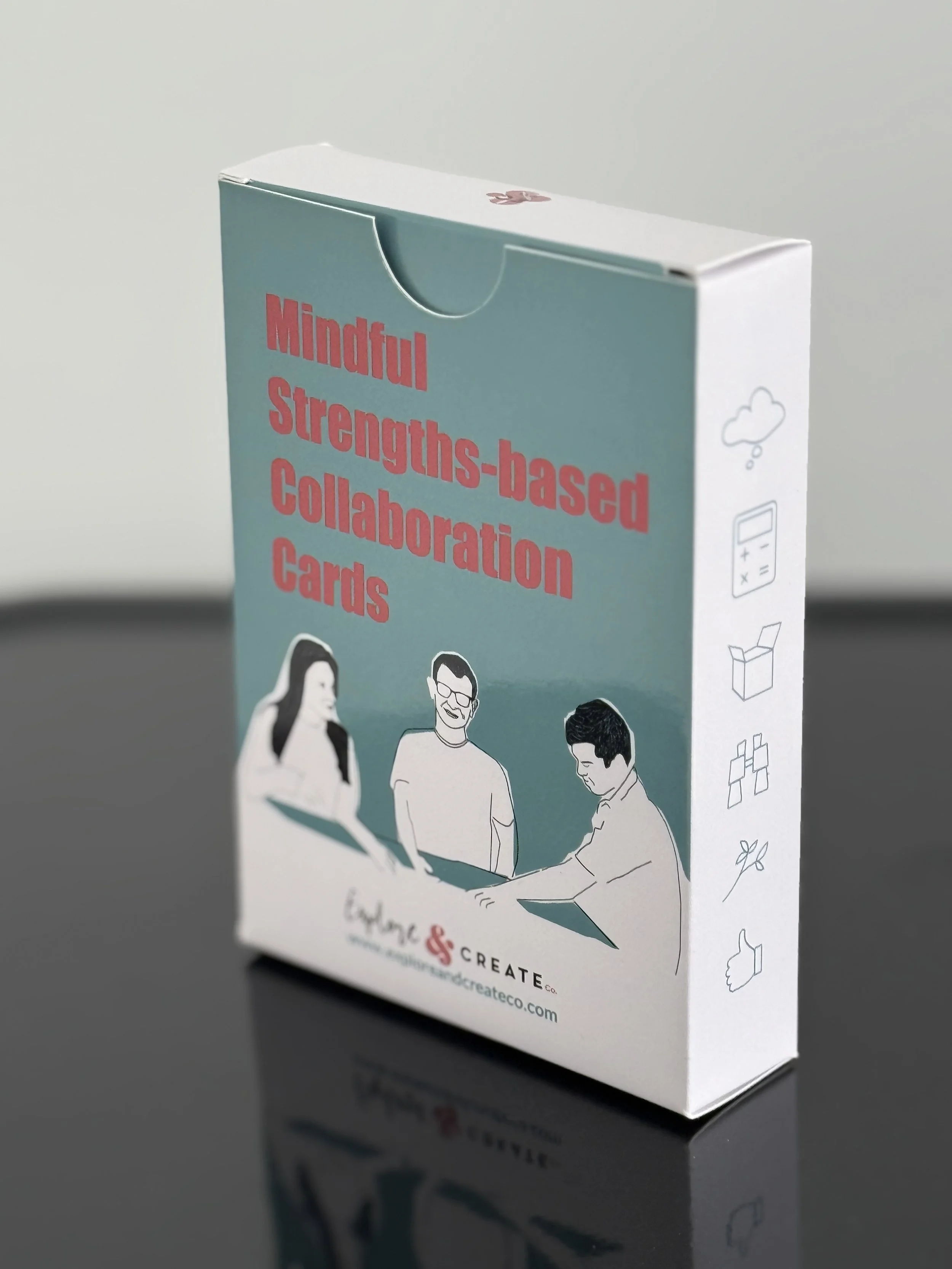
This set of cards has been designed to support you to explore collaboration through a mindful strengths-based approach. Questions are posed to support you to personally and collaboratively consider how you can work together. I invite you to be aware of your strengths and others. I also welcome you to reconsider how you may prepare working with others, and indeed how you might problem solve any difficulties that come with working with others. Use the cards to reflect or support a discussion around themes of reflection, problem solving, logistics, intention, and awareness. The cards are designed to help you establish and re-establish key elements of collaboration.
50 cards + 1 instruction card + box
Colour gloss 300gm cards
Themes - establishment, logistics, intention, appreciation, problem solving, and reflection
© 2020 Dr Narelle Lemon
Last print run

PROTECTING YOUR WRITING TIME
A Boundaries Workshop for Researchers
(PDF workbook download only)
Workshop Overview
Writing is the currency of academic success, yet it is often the first activity displaced by meetings, emails, and administrative demands. This workshop takes a strengths-based, proactive approach to help you establish and maintain protected writing time. You will leave with a personalised plan that aligns your writing blocks with your natural energy patterns.
Learning Outcomes
By the end of this workshop, you will be able to:
• Explain the research evidence supporting protected writing time and why two-hour blocks are effective
• Identify your personal peak energy periods using chronotype awareness
• Apply practical boundary-setting strategies with confidence and self-compassion
• Create a realistic weekly writing schedule aligned with your energy patterns
• Build mutual accountability through peer partnerships

WRITING MOMENTUM — POCKET GUIDE
You know the feeling. The document’s open, the cursor’s blinking, and you’ve read the same paragraph four times without writing a word. Or you’ve been “nearly finished” with a chapter for three weeks. Or you sit down to write and somehow, it’s lunchtime and the page is still empty.
Getting going is hard. Keeping going is harder. And almost nobody actually teaches you how.
This practical, interactive workshop is about momentum — how to start when you’re stalled, restart when you’ve lost the thread, and protect the time and attention your writing genuinely needs.
We’ll work through small, doable shifts you can use the same afternoon, not big resolutions you’ll abandon by Tuesday. You’ll leave with a handful of practices that fit your real writing life and make connections with a room of people who get your struggle.
What we’ll work on
Getting the first words down when starting feels impossible
Where your attention actually goes, and how to get more of it onto the page
Writing habits that survive a busy week
Boundaries that protect your writing from everything else
Finding — and rebuilding — momentum after a stall
Pocket guide PDF download only.
No results match your search. Try removing a few filters.