
SPEAKING
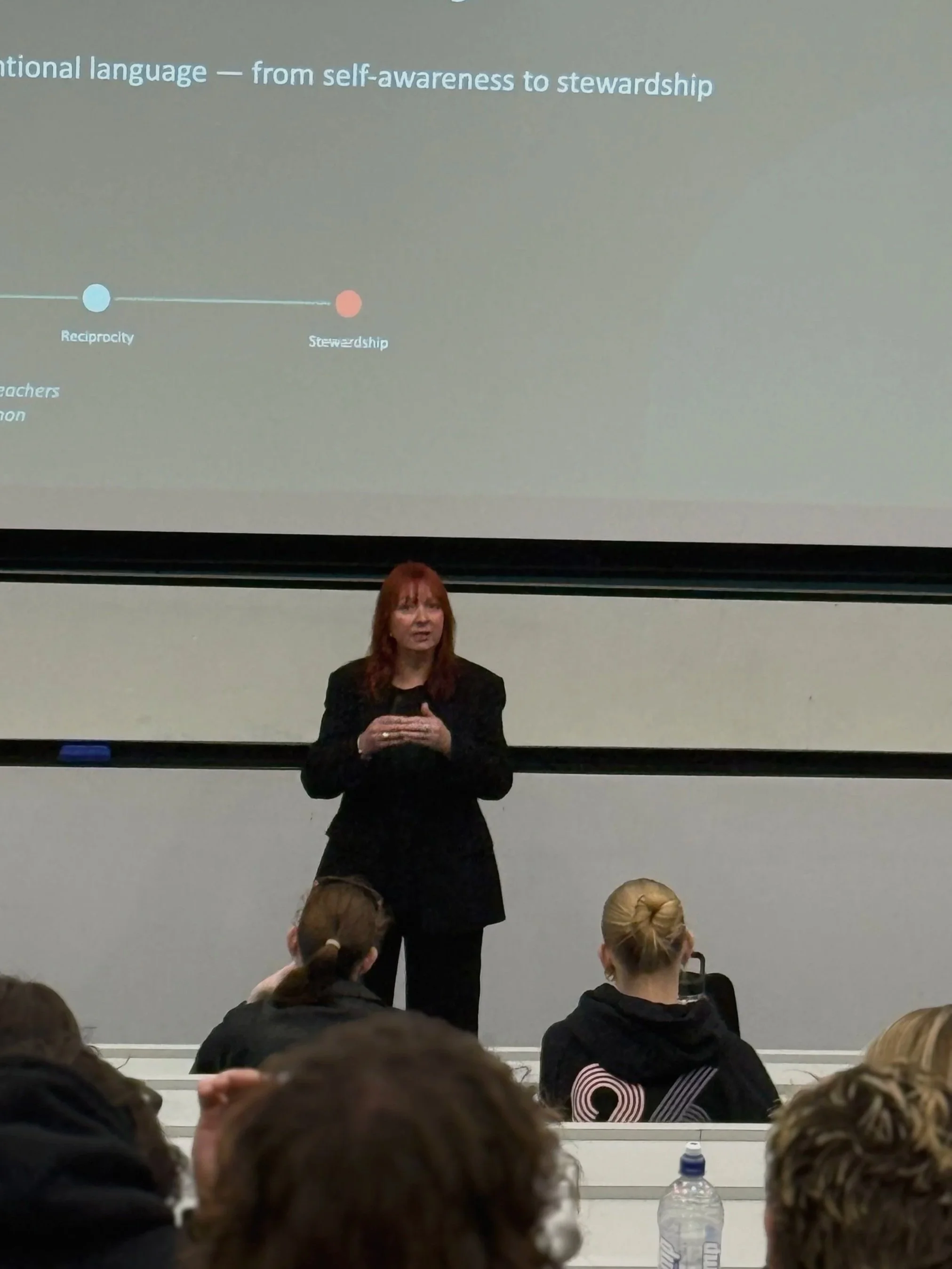
I speak to conferences, leadership teams and organisations navigating something that matters — about wellbeing, care, and what it takes to keep doing good work without running the people who do it into the ground. Sometimes the brief is to shift how a room thinks. Sometimes it's to give people language for something they've been feeling but couldn't quite name. Always, people leave with something they can use immediately.
Ideas that help the people who hold everyone else.
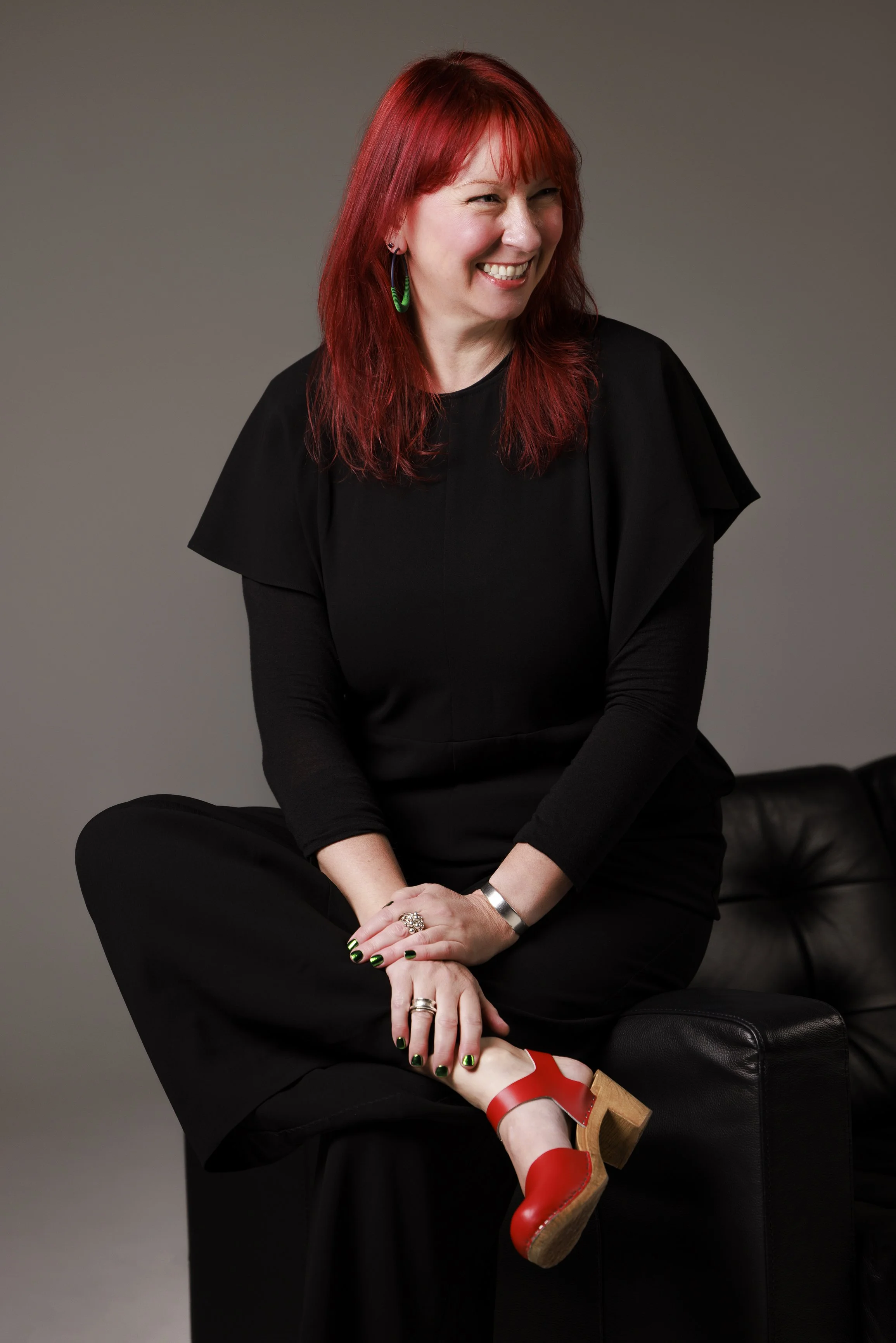
I'm a writer and researcher, translating the research into practice, and I do not lecture. I take the science and the evidence seriously, then translate them into something plain and human — wellbeing brought back to the everyday, not left on a slide.
Mostly, I listen. Deeply, and for what isn't being said as much as what is. I pay attention to the micro — the person, the moment, the thing sitting under “fine” — and the macro — the culture, the system, the conditions people are actually working in. Wellbeing lives in both, so I work in both.
Everything is intentional — chosen for the people actually in front of me. My style is relational and collaborative: I don't arrive with the answer and leave. I build capacity in the room, so the thinking stays after I do.
And I'll admit it — I love geeking out about ideas. But I hold them humbly and lightly, and I keep the room calm, personable and human the whole way through. The point was never to impress anyone with the research. It's to hand people something that helps.
HOW I WORK
WHAT I SPEAK ABOUT
Wellbeing is not another ball to juggle. It's the one to hold.
I help people and organisations build wellbeing literacy — the shared language that turns caring cultures into thriving communities.
Grounded in positive psychology and two decades of research, my work gives you the language, the practices, and the permission to change that. Not with grand gestures. With micromoments: the check-ins, the pauses, the small acts of tending that — practised together — become culture. And culture, held well, becomes community.
The theme shapes to your room, but my keynotes tend to sit here. Each one is a door into a deeper program or workshop if you want to go further.
The Paradox of Fine
Your best people are the ones you'll hear from last.
The most regulated, capable, everyone's-okay people are often the highest risk — because the skill that makes them legible to their team makes them illegible to the people who could help. How to read a room past “fine”, and catch the signal before the resignation letter everyone later calls sudden.
→ Leaders leave able to tell coping from quietly disappearing.
Cultures That Care
Nothing flourishes just because we care about it.
Care isn't a value you hold; it's a set of conditions you build. Drawn from a real team that learned to check in on each other before they checked out — psychological safety made concrete, not aspirational, and tools people keep using long after the session ends.
→ Leaders leave with the practices that make care how the team works, not another initiative.
You Are Also Someone Who Needs Tending
The person responsible for everyone is on nobody's list — including their own.
My signature keynote. The one that names what carers, leaders and helpers feel and can't quite say, and hands back the permission the role quietly took away.
→ People leave with themselves back in the equation.
WHERE I SPEAK
• Keynotes and conference sessions — to shift how a room thinks about wellbeing, care and leading through change
• Leadership retreats and offsites — more conversational, participative work built around what a leadership group needs to think through together
• Organisational and team events — shared language and practical tools around a particular challenge, change or priority
• Community and public events — for audiences who care about wellbeing and want something real to take home
The format follows the purpose.
WORKING TOGETHER
Every session starts with one question: what do you want to be different because we brought people into a room? Tell me who they are and what they're carrying, and I'll shape something for them — not a keynote off the shelf.