Wellbeing is not another ball to juggle, it is one to hold.
Leaders, carers and educators — the ones responsible for everyone else's wellbeing, and usually last on their own list. That's not a personal failing. It's a design problem — and design problems can be redesigned.

the practice at the centre of it all is called tending
The practice: tending
A fruit bowl in the break room and a lunchtime yoga class won't fix a team that's running on empty — not because those things are bad, but because they treat depletion as a personal problem to solve alone.
I call the alternative tending: not self-care as a product you reach for once you're already empty, but the small, repeatable, unglamorous things that keep a person — and a culture — from running dry in the first place. I've spent my career building it where it's hardest: inside real organisations, with real constraints.
Tending a culture
Care built into how a team actually works — how you lead through uncertainty, so wellbeing isn't left to individual heroics.
Tending yourself
The daily practices — non-medicalised, no guilt — that keep you well before you hit empty. Agency as a practice, not a personality trait.
Tending systems
Redesigning the structures, expectations and norms themselves — the level most people never touch, and where the deepest change holds.
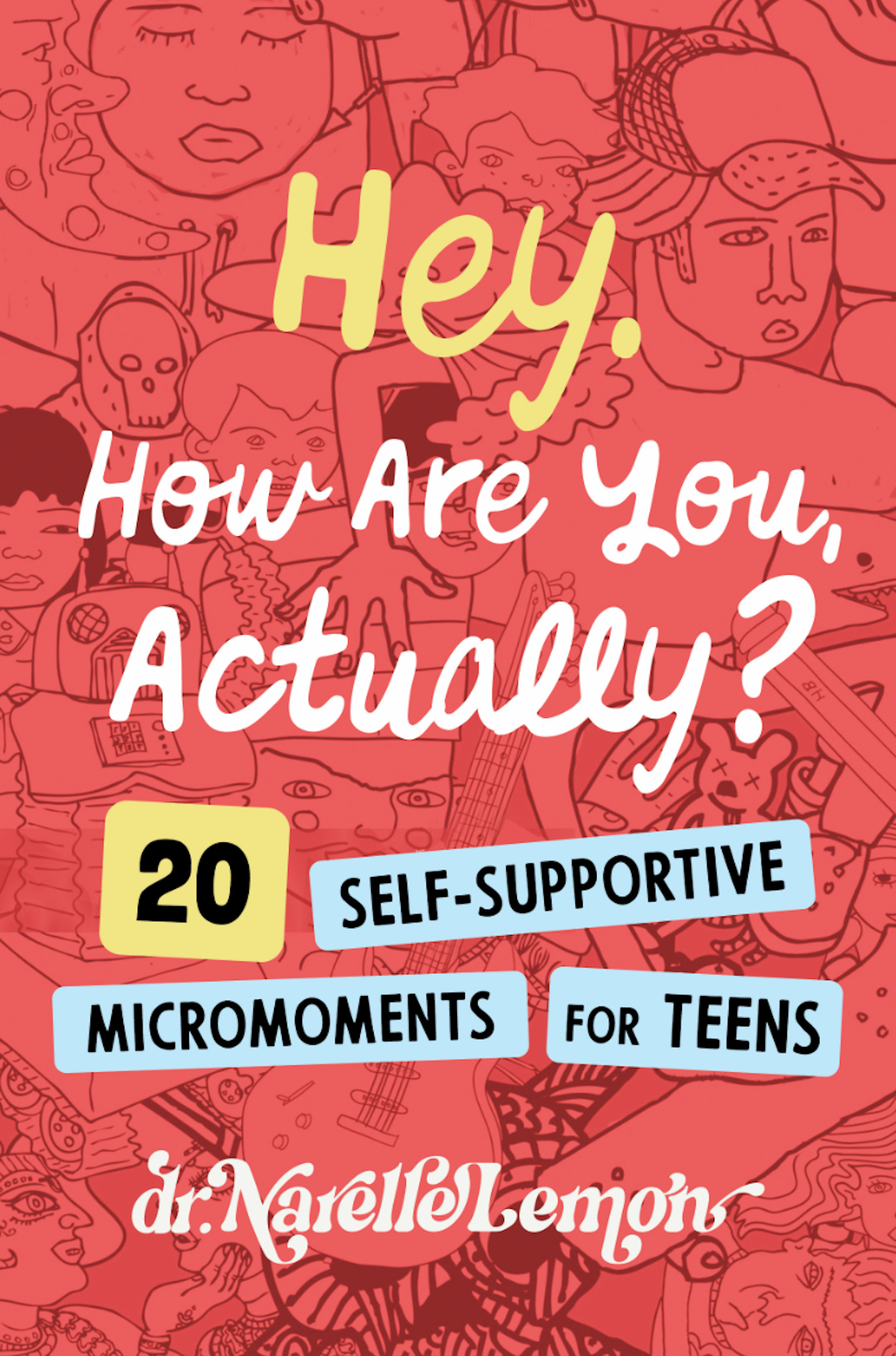
Hey. How Are You. Actually.
We ask it a dozen times a day and rarely stop for the answer — least of all our own. This book is an invitation to check in for real: with the things we don't say out loud, with the good we don't share, and with ourselves. A warm, practical case for honesty as the first act of care.
The books
Where the practice lives on the page — from an honest question we rarely answer, to the whole practice of tending, to the research it's built on.
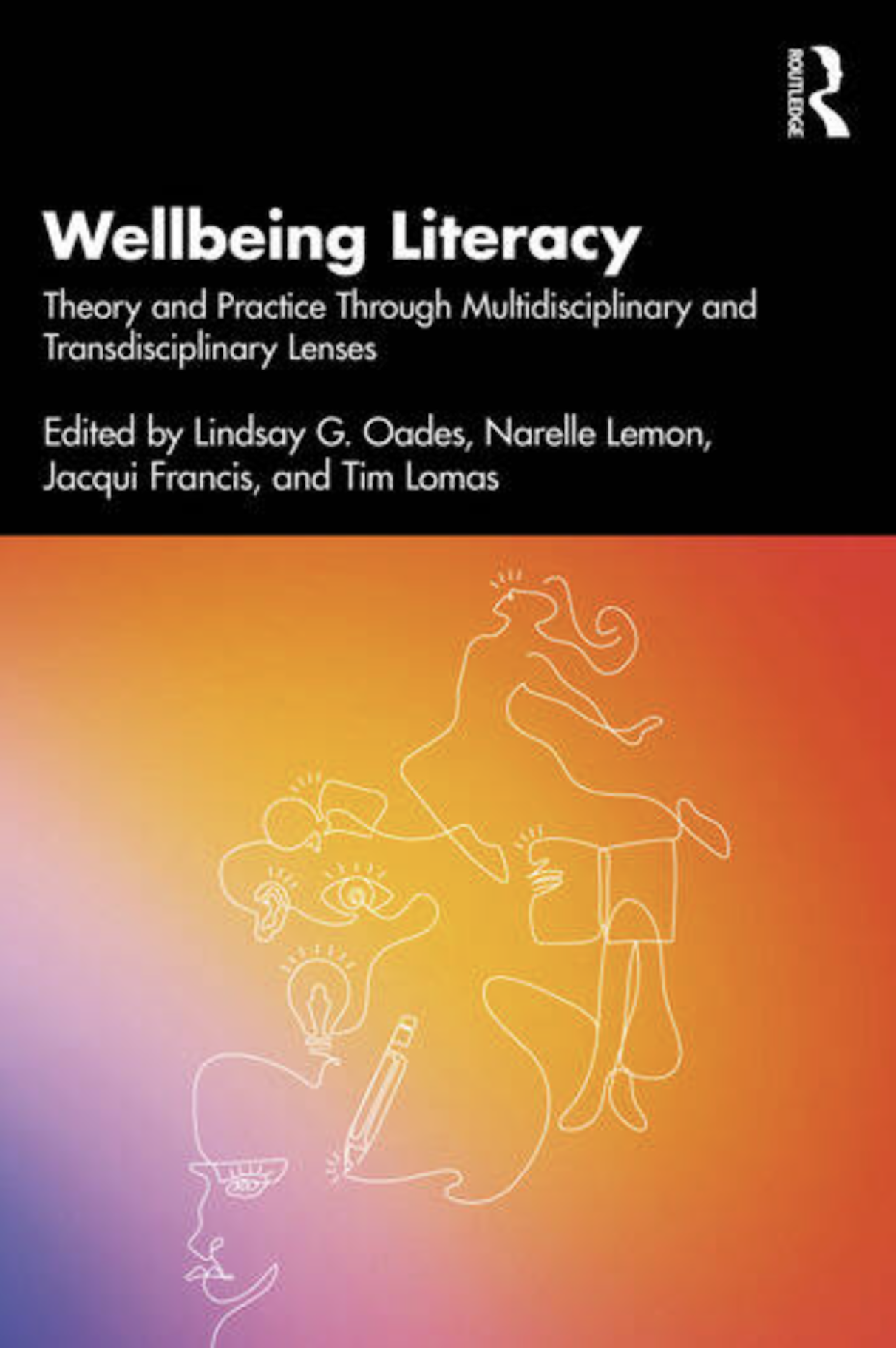
Wellbeing Literacy
Theory and Practice Through Multidisciplinary and Transdisciplinary Lenses · Routledge, 2026 · co-edited with Lindsay G. Oades, Jacqui Francis & Tim Lomas
Wellbeing literacy is the capability to understand and use the language of wellbeing to help ourselves, each other and society flourish. This international collection gathers scholars across disciplines to ask how that capability actually works — across cultures, life stages and policy — and how it becomes a lever for change at the individual, community and systemic levels. The scholarly cornerstone beneath everything else on this page.
Where the practice was built
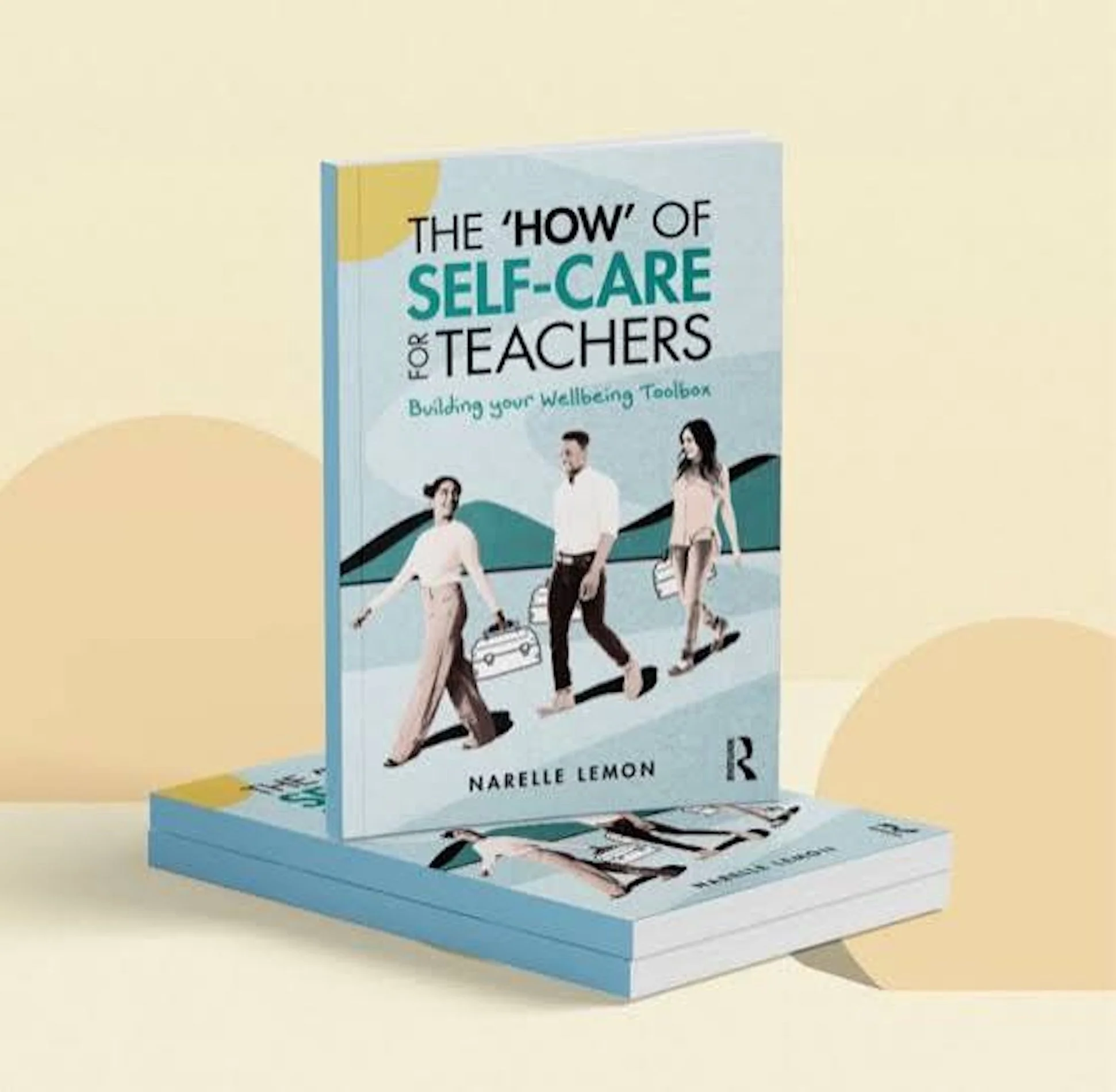
The 'How' of Self-Care for Teachers (Routledge, 2024) is where I first set out one of my frameworks in full — a five-dimension toolbox for people running on empty. It began with educators, but the practice was never only theirs.
Further back sit my roots in arts education and the pioneering use of social media for professional learning — creative practice, genuine connection, and making the invisible visible. It's the ground everything since has grown from.
The higher-education series I edit
As series editor of Routledge's Wellbeing and Self-care in Higher Education (since 2020 with 20 books commissioned so far) , I bring together voices from around the world to move care from the edges to the centre of academic life. Selected volumes:
Healthy Relationships in Higher Education: Promoting Wellbeing Across Academia
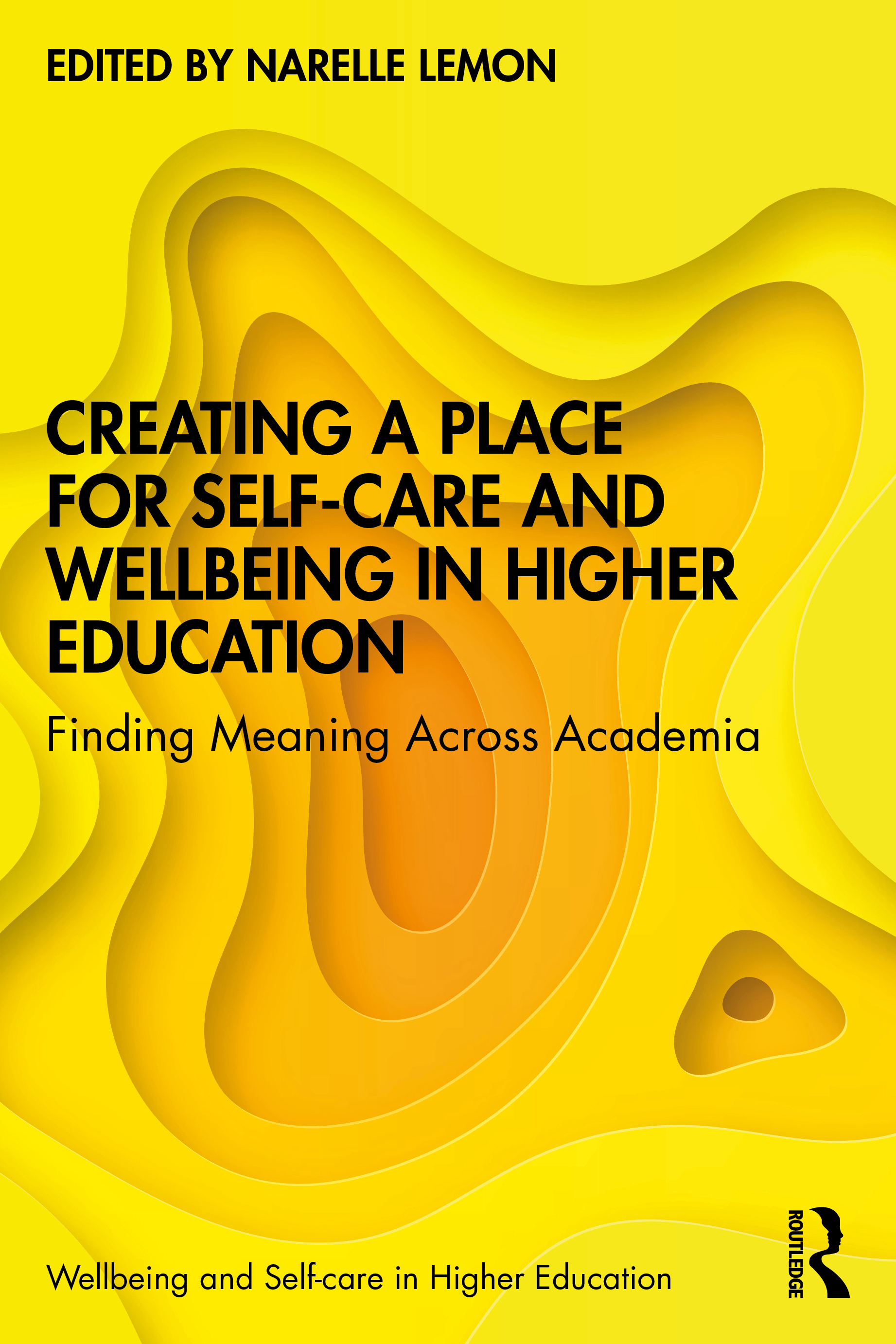
Creating a Place for Self-care and Wellbeing in Higher Education: Finding Meaning Across Academia
The Making Academic: Perspectives on Expressive Practice and Wellbeing in Higher Education