
Making wellbeing part of how schools work.
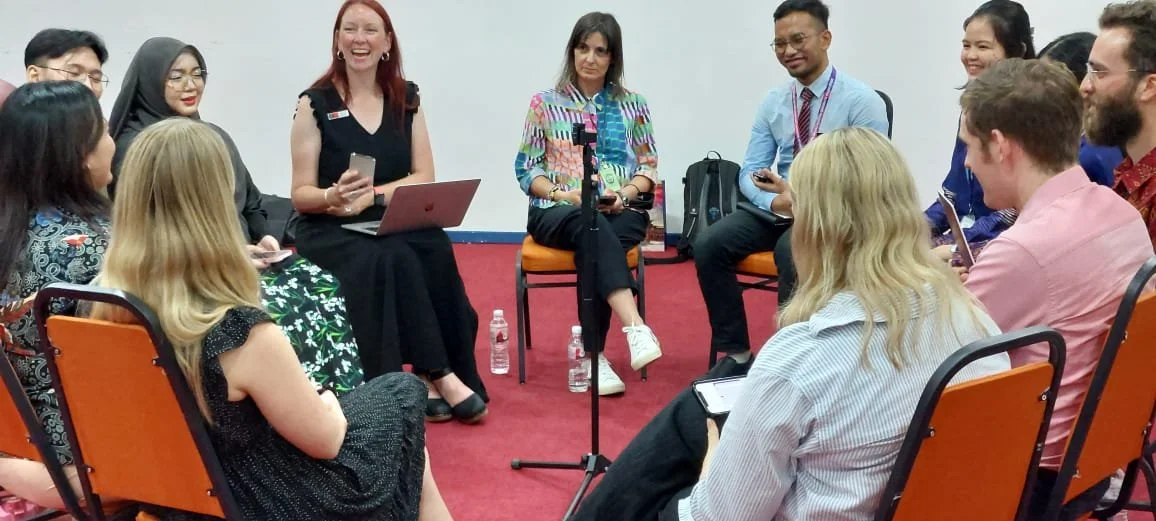
Wellbeing is complex. Our approach should reflect that.
Wellbeing matters to every school. But knowing it matters and knowing what to do are two different things.
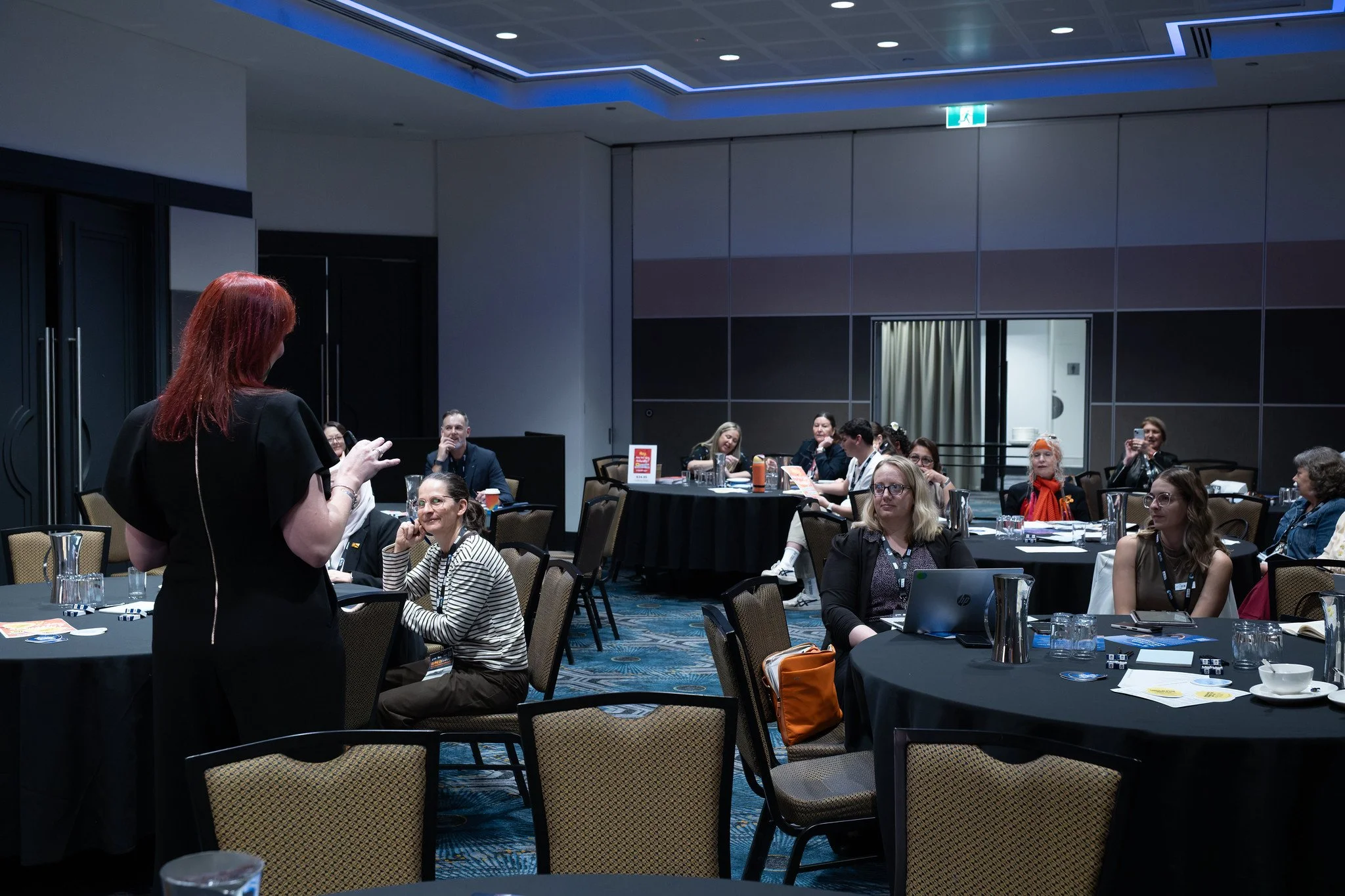
I work alongside schools and education communities to translate wellbeing science into a shared language and practical action. We build confidence, connection and everyday approaches that work for your people — leaders, teachers, students, parents and carers.
Positive psychology + education + the arts + co-design.
Wellbeing isn’t another ball to juggle. It’s one to hold.
Some of the people I have worked with.































If there were one answer to wellbeing, we would have found it by now. Every school has different strengths, pressures, relationships and priorities. Another programme to deliver is not necessarily what people need.
I begin by listening, identifying what matters and working with your community to make wellbeing practical and sustainable.
My approachWellbeing literacy is the capability to understand and intentionally use wellbeing language for ourselves and others. It gives people ways to notice what is happening, communicate needs, make choices and take action. A shared language does not mean identical experiences: students, educators, leaders and families each bring different needs and perspectives.
The starting point: wellbeing literacySchool leaders
Lead with care; examine how decisions, workloads, relationships and school conditions shape everyday wellbeing.
Teachers and education staff
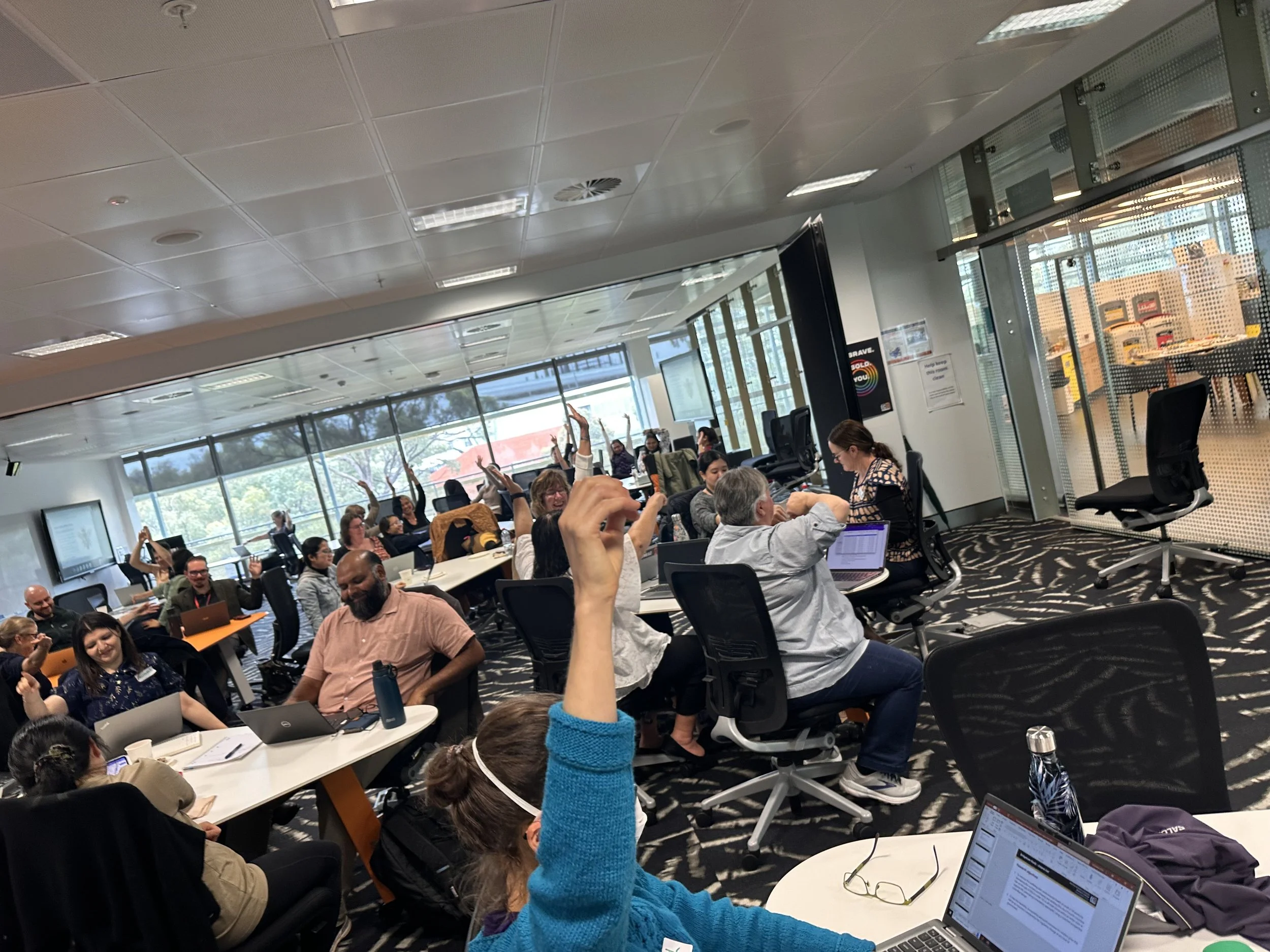
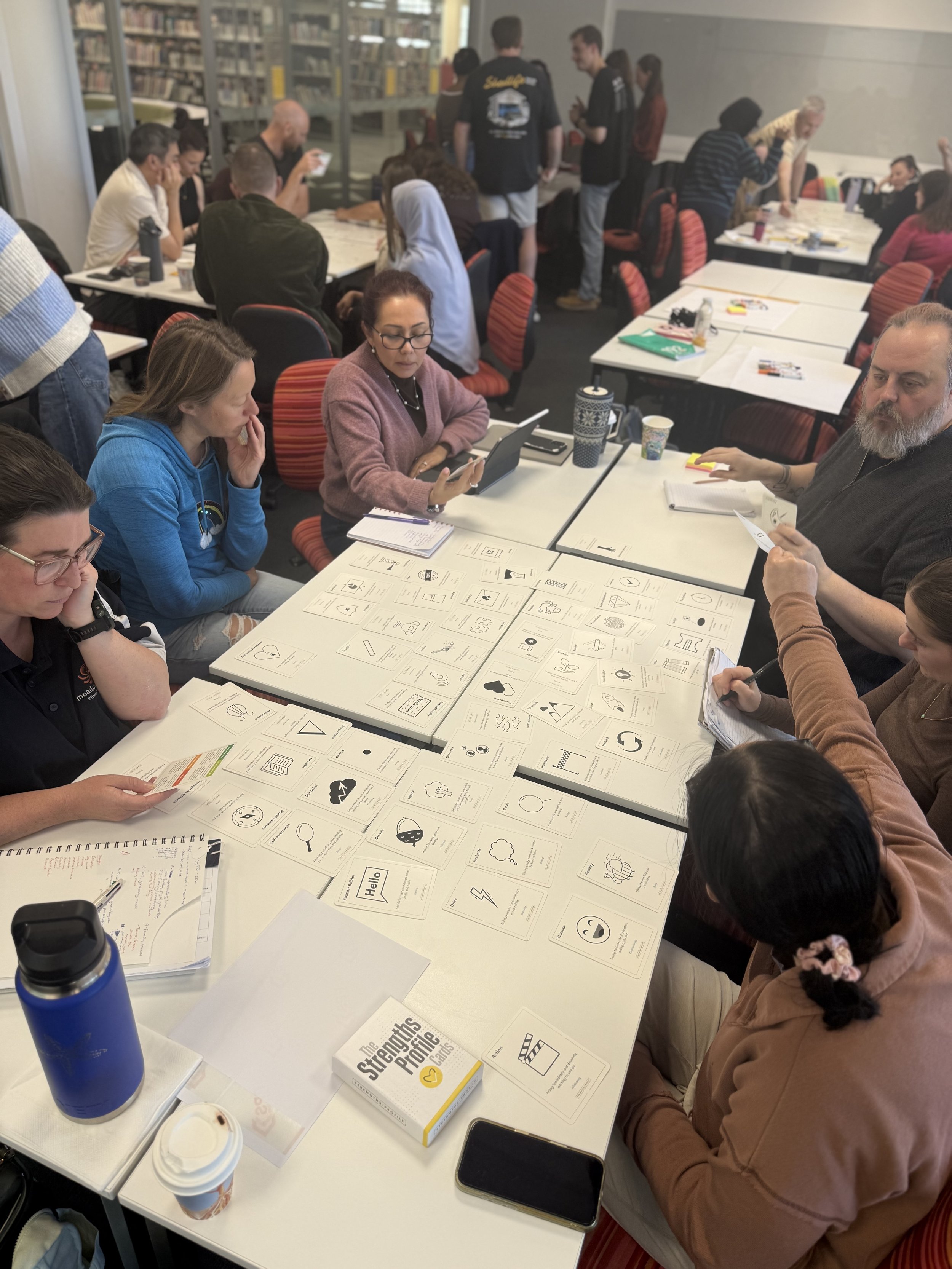
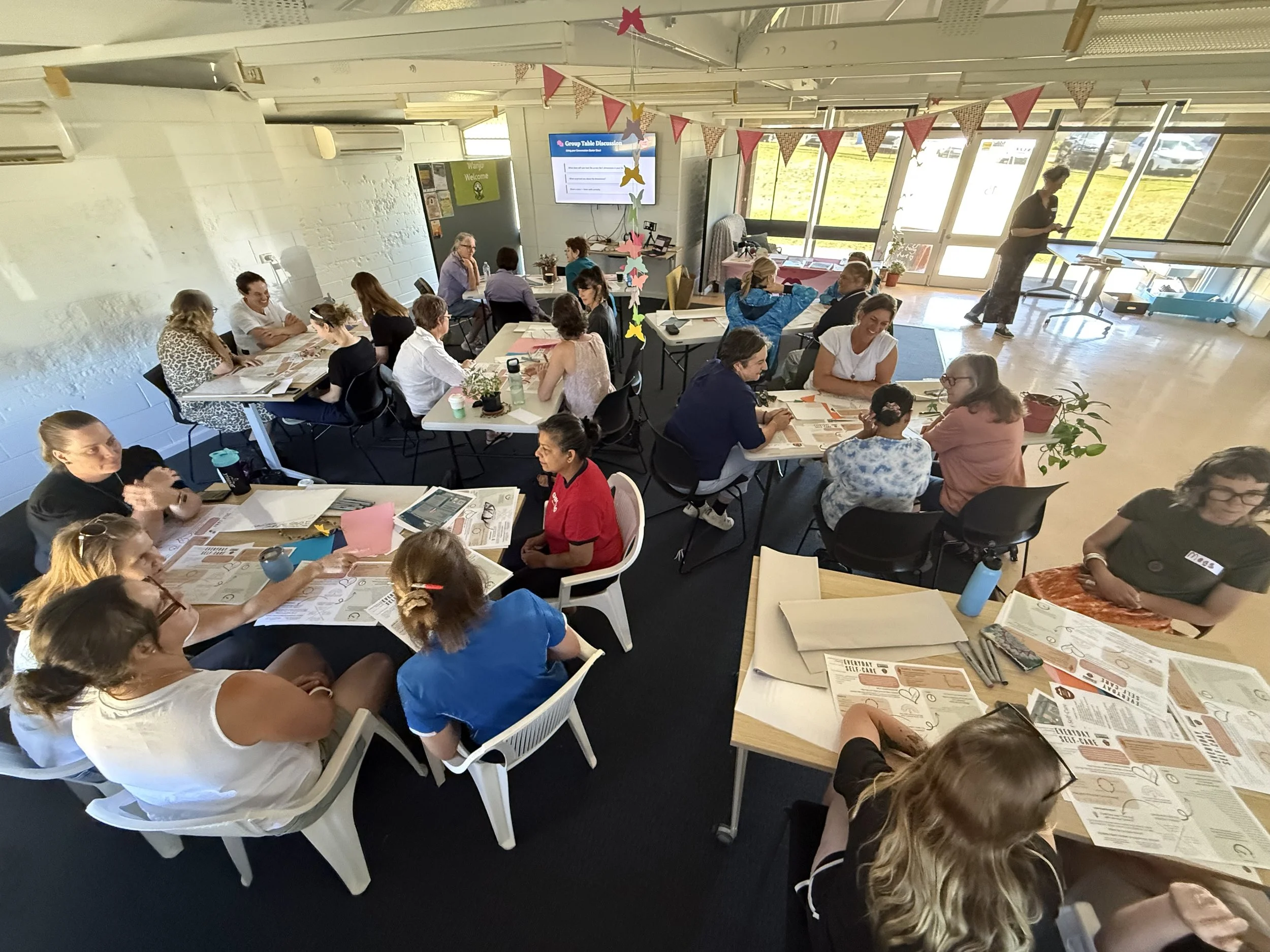
Develop practical approaches to awareness, self-care, strengths, time and compassionate conversations without adding another impossible task.
Students
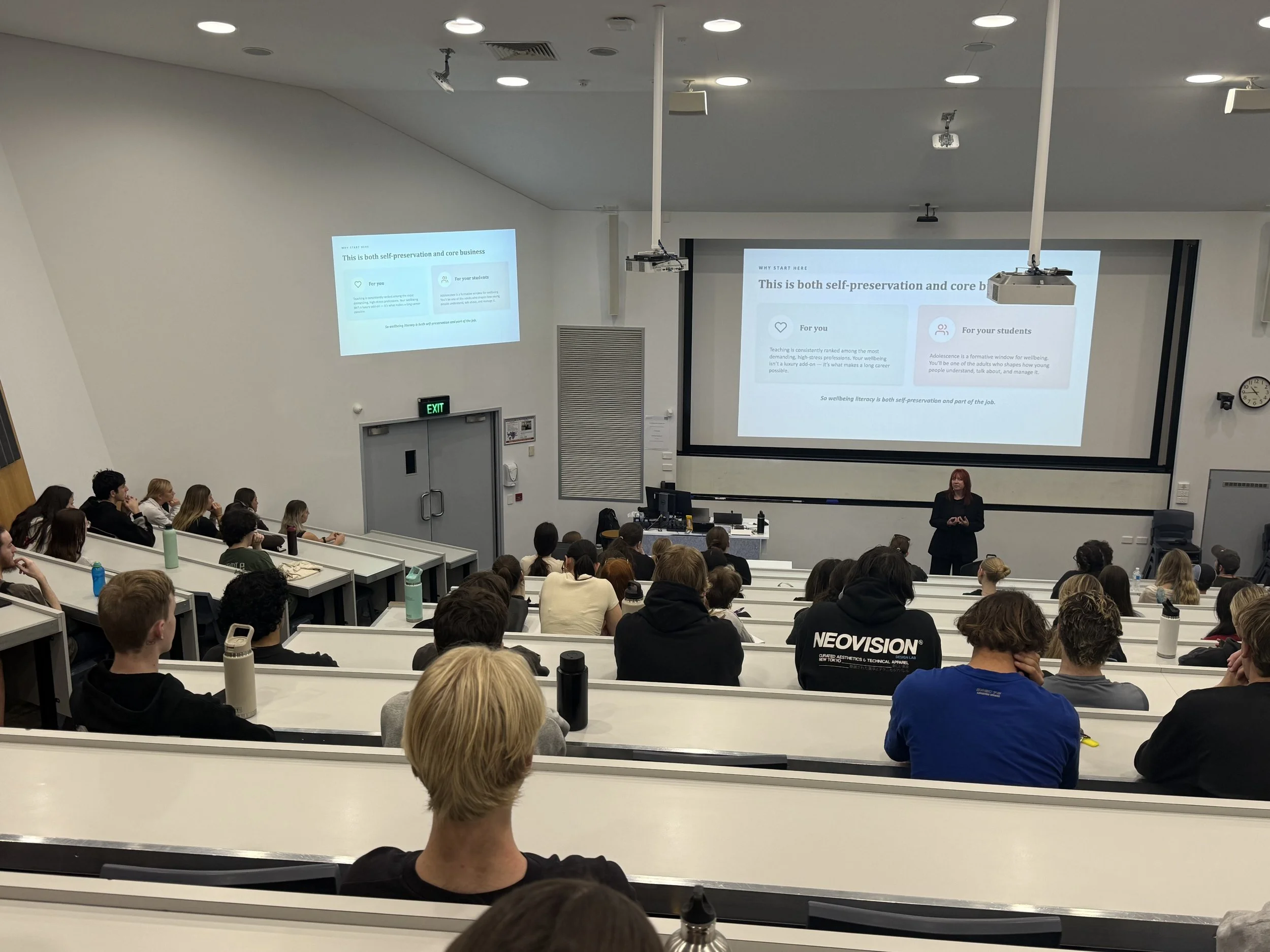
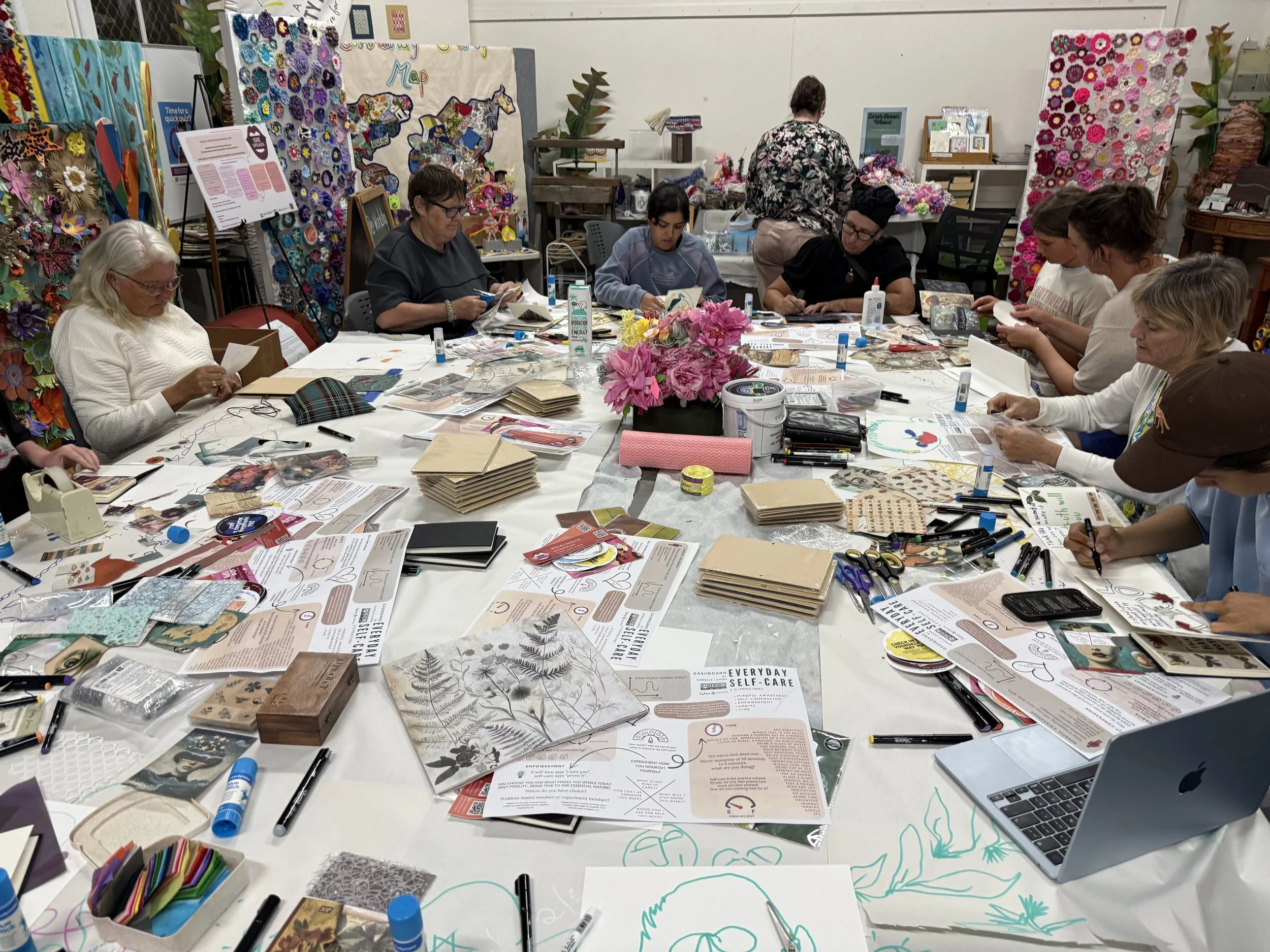
Explore strengths, belonging, emotions, relationships and agency through age-appropriate, creative and participatory experiences.
Parents and carers
Strengthen the language and practices that connect home and school.
Whole-school communities
Bring perspectives together and co-design priorities, resources and sustainable everyday practices.
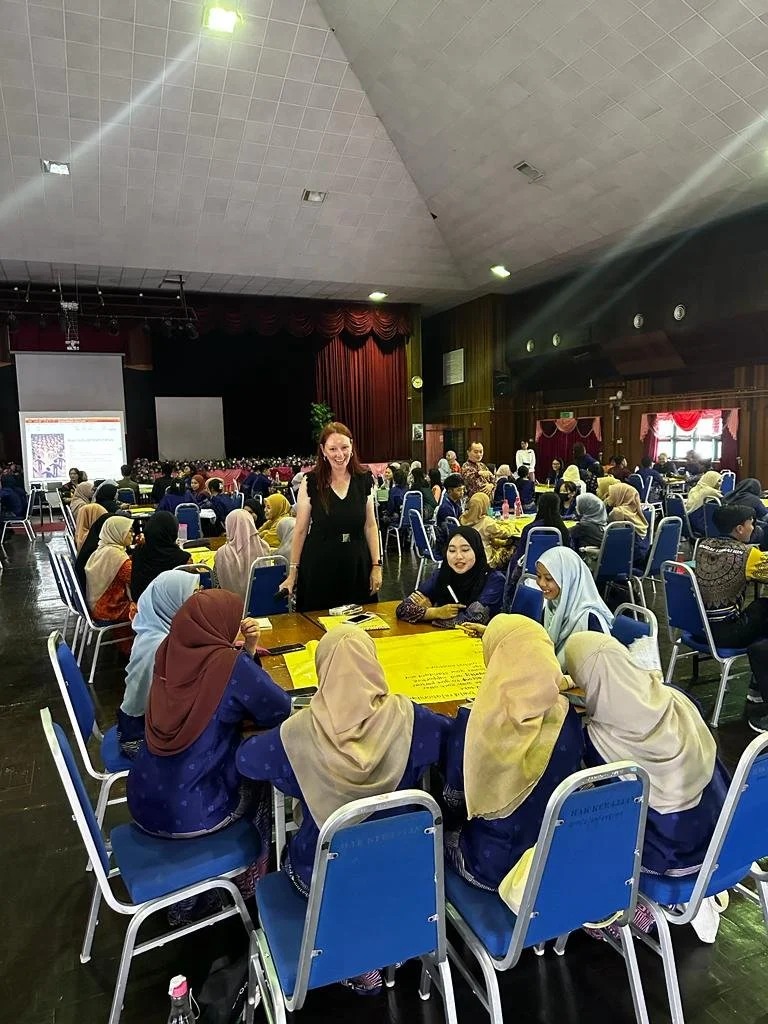
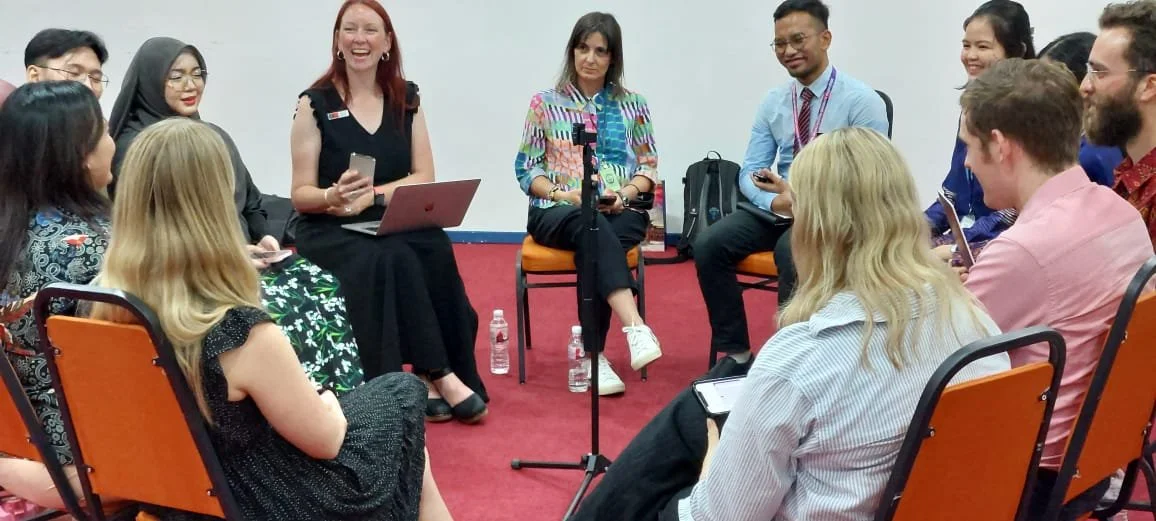
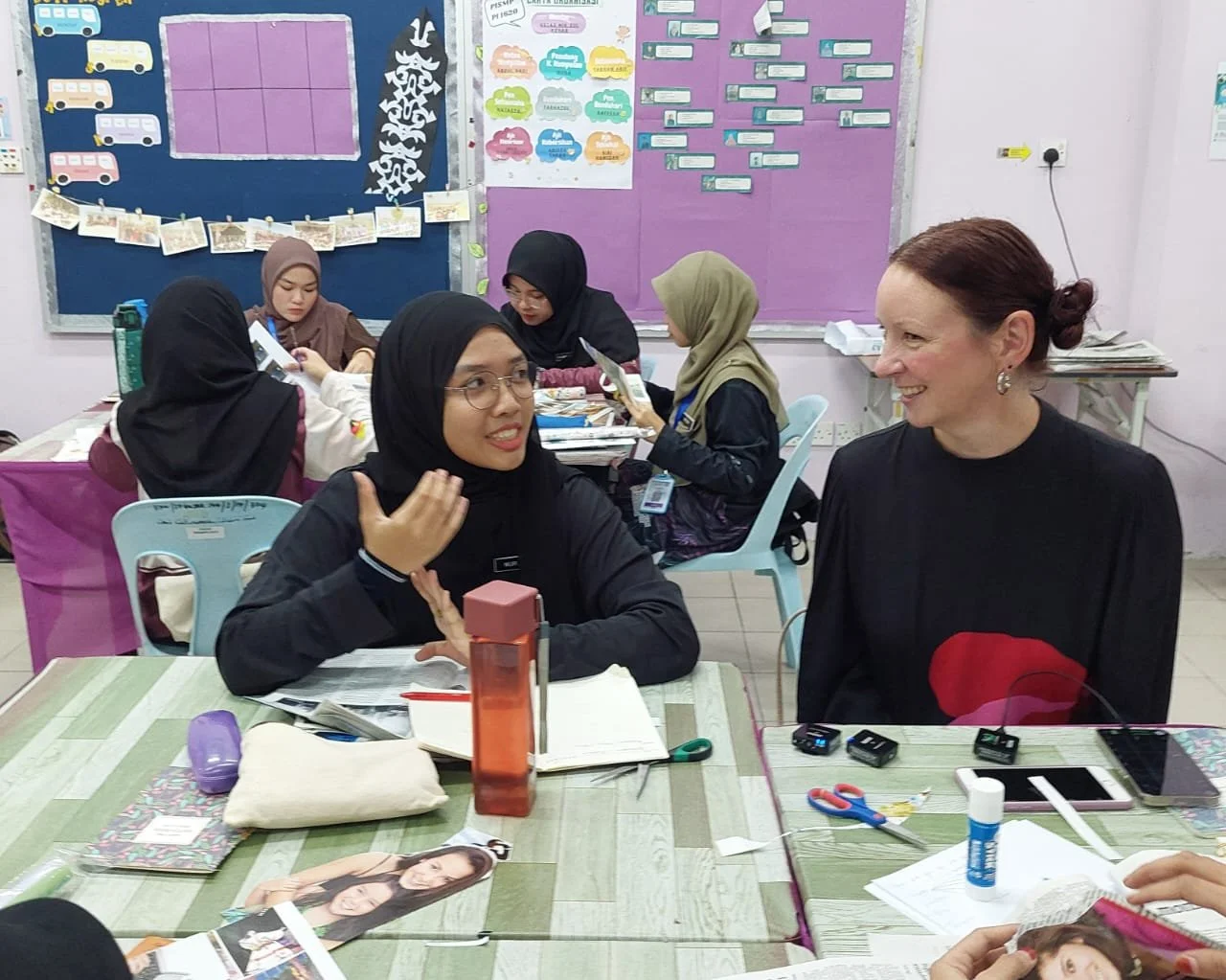
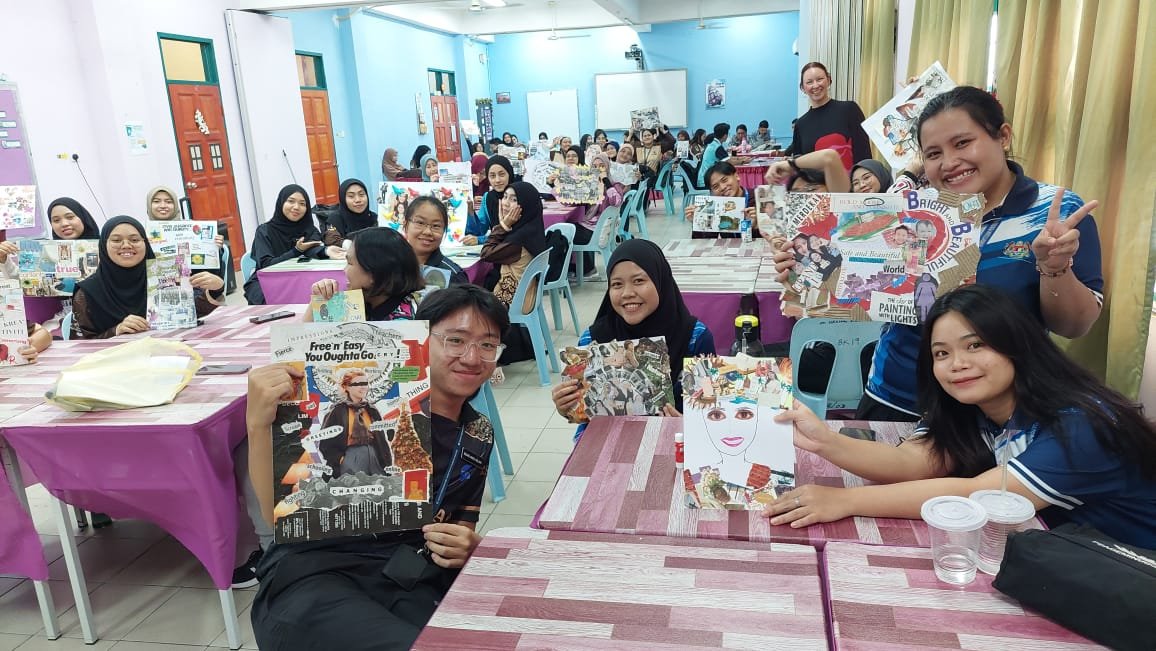
Who I work with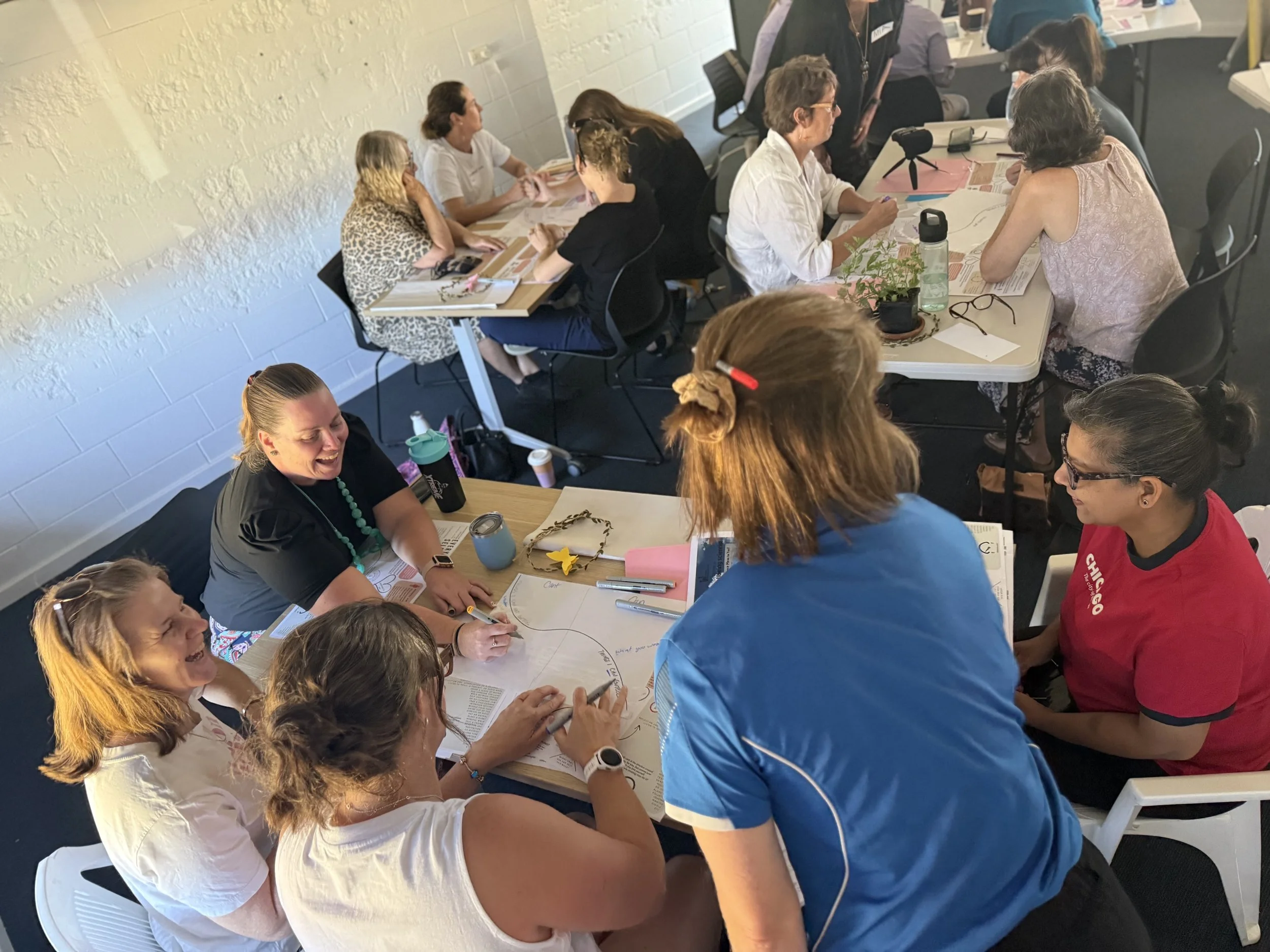
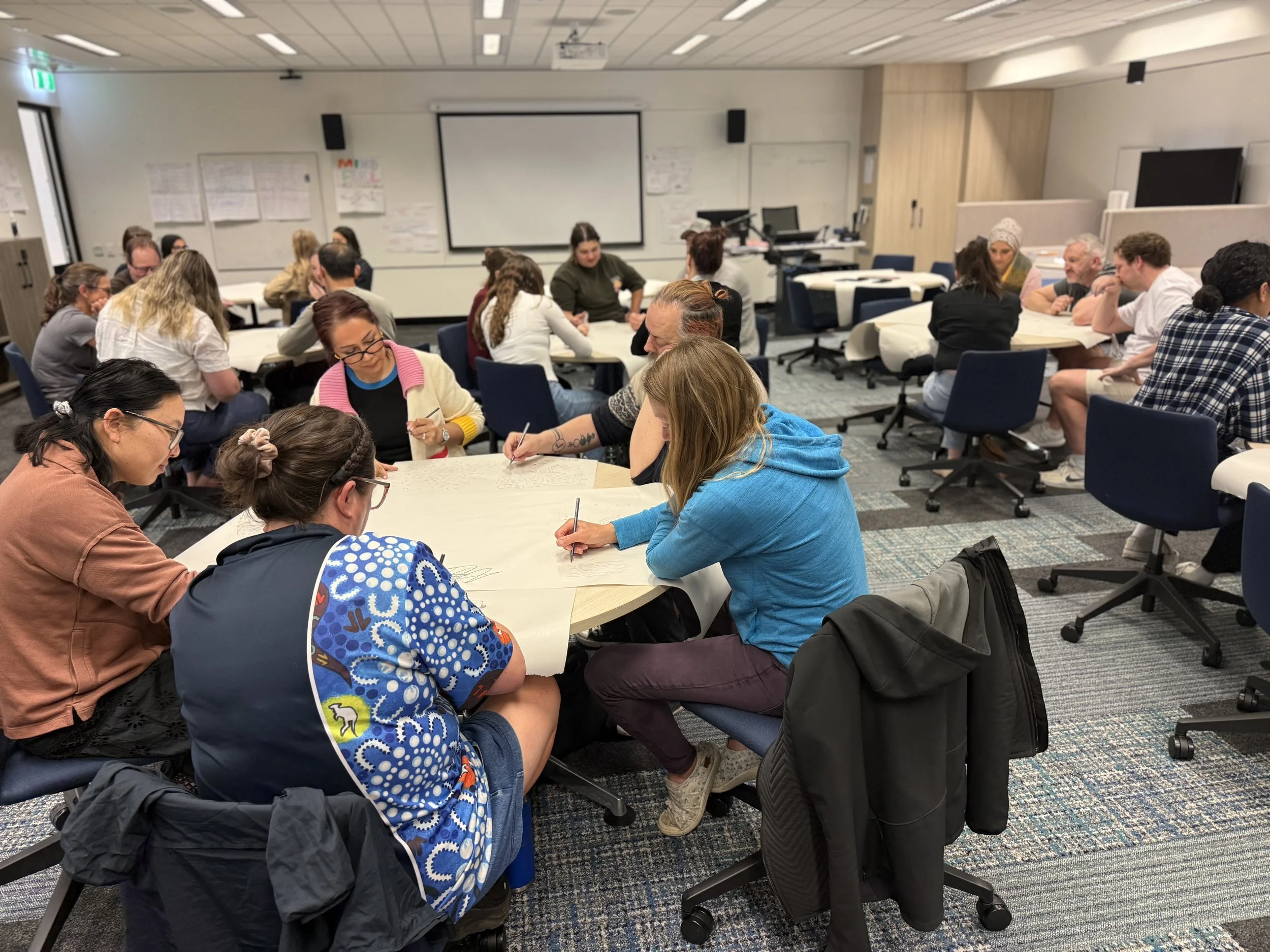
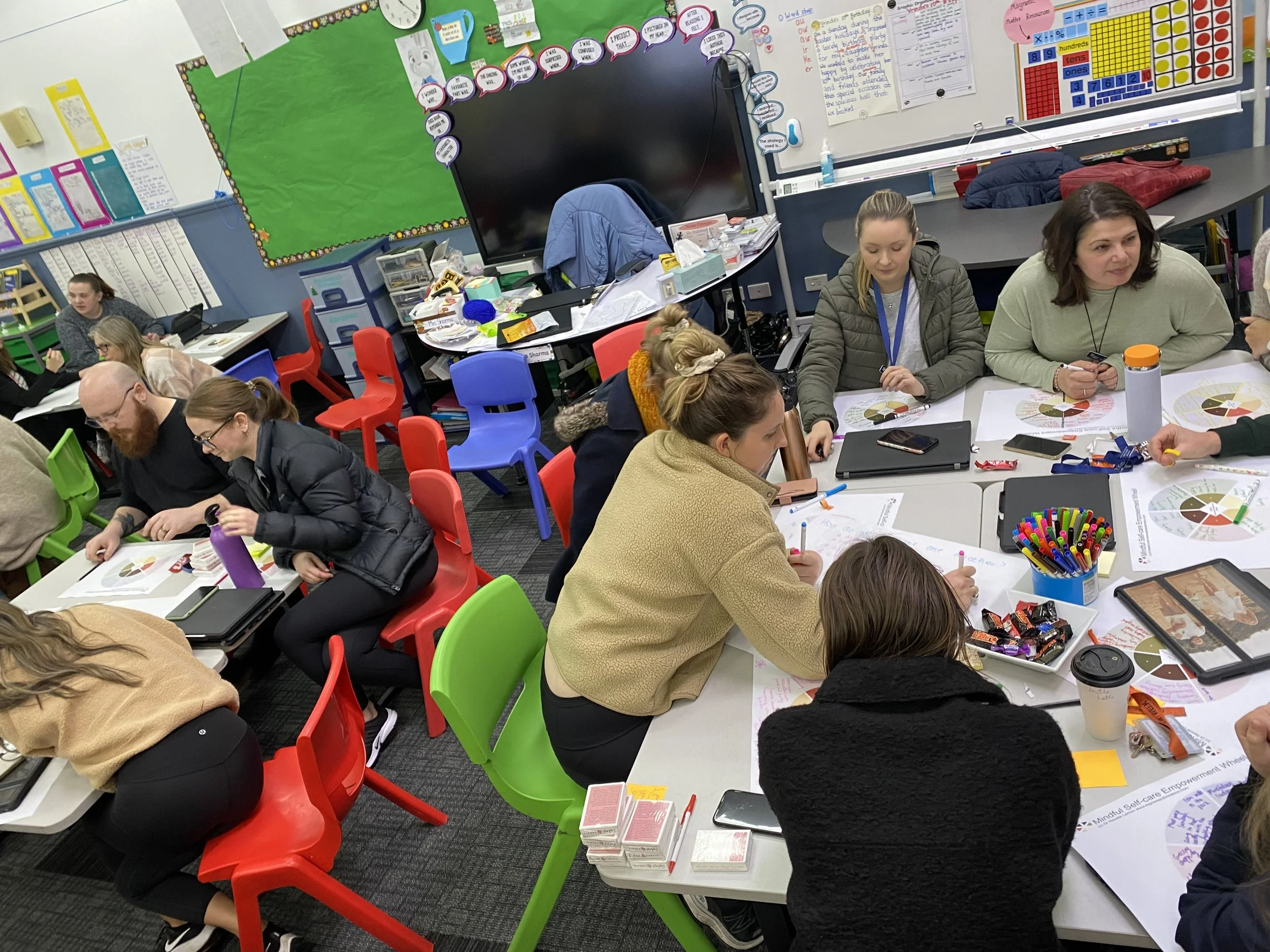
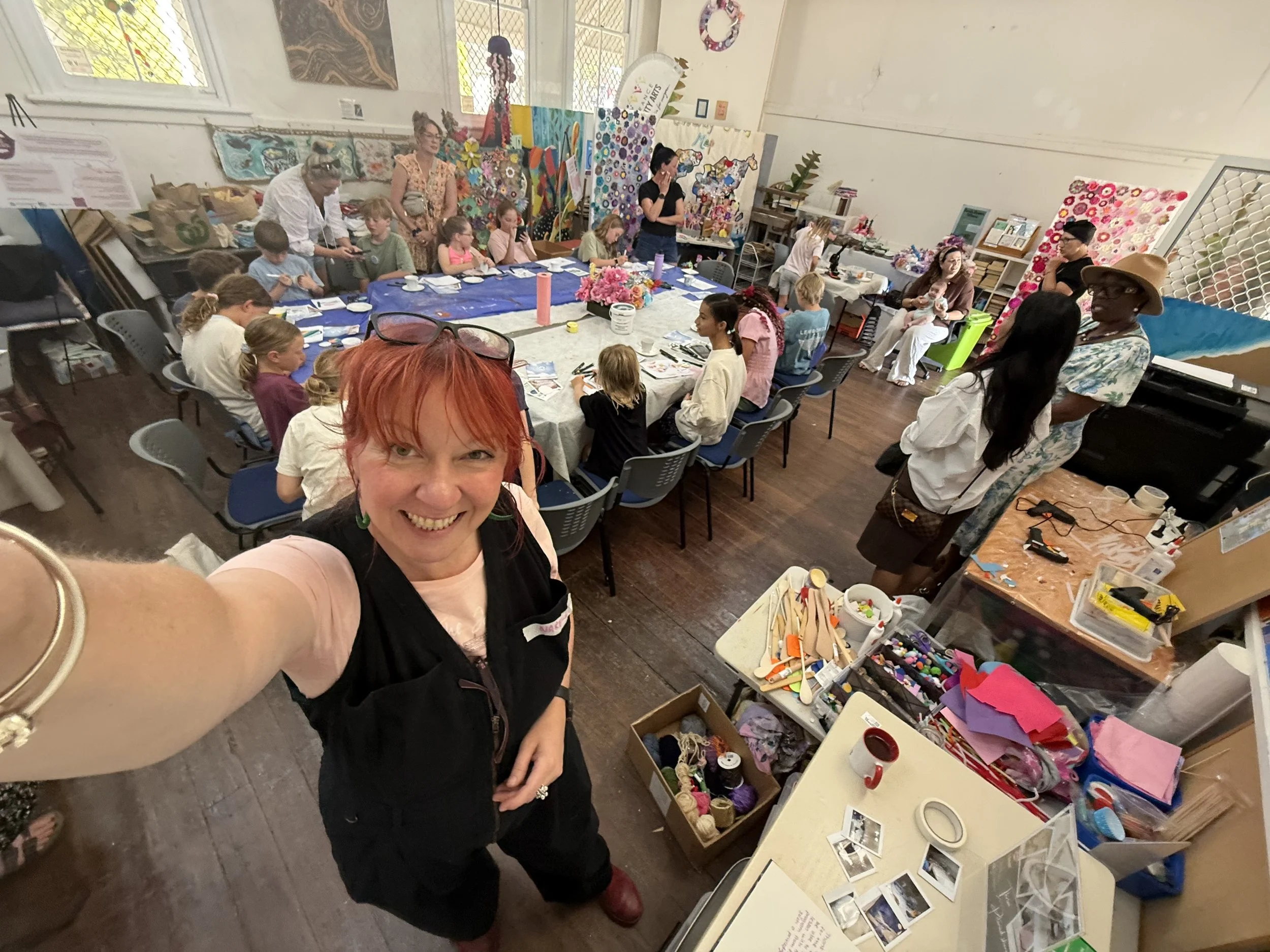
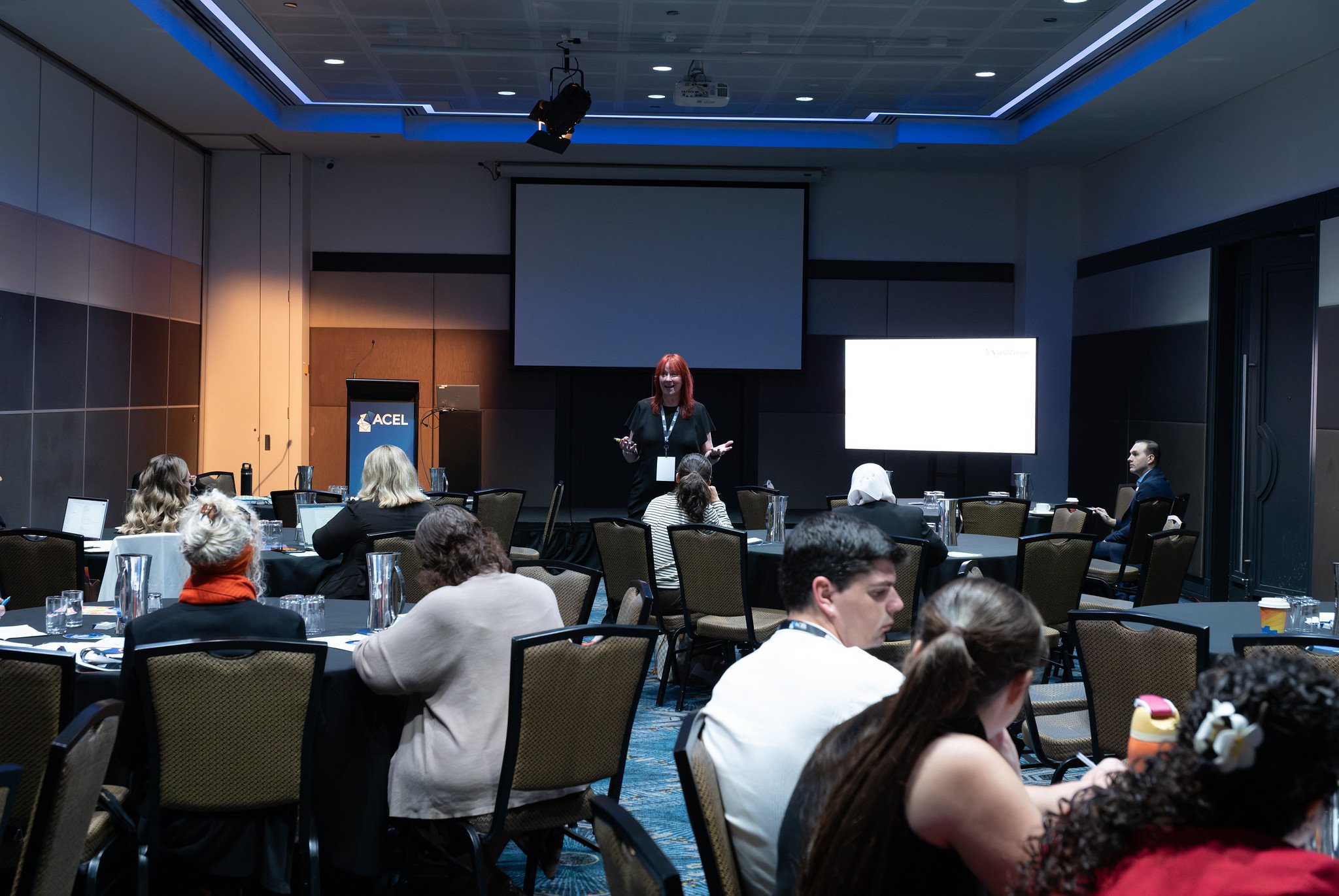
How we work together
01
Listen and notice — understand strengths, needs, pressures and priorities.
02
Co-design and practise — bring research into practical, creative action.
03
Return, reflect and strengthen — look at what is being used and adapt together.
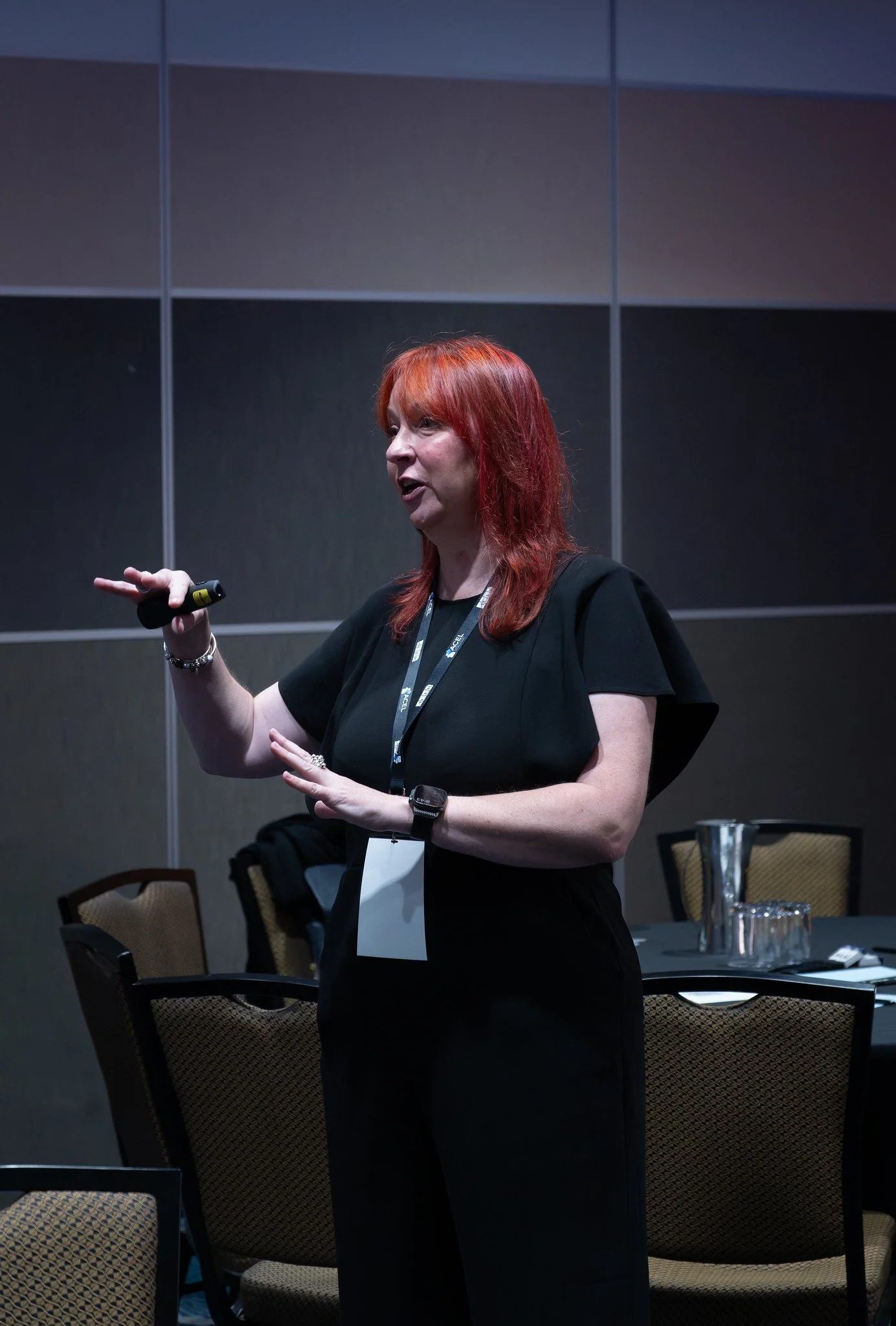
I am Dr Narelle Lemon — an educator, researcher, author and wellbeing strategist. For three decades, my work has connected positive psychology, education, arts-based practice and the everyday realities of how people work and learn. I combine evidence with warmth, clear language and experiences people can use beyond the room.
What changes?
Depending on your priorities, we can document changes in wellbeing language, confidence, participation, useful practices and implementation. We choose realistic measures together. This work supports preventative wellbeing capability and complements, rather than replaces, school counselling, safeguarding and clinical mental health services.
You may need one conversation to begin, or a longer partnership to build capability. Tell me who you want to support, what you are noticing and what you would like to strengthen.